Stone and underfloor heating are a natural pair — arguably the best flooring combination there is. Stone conducts heat quickly, holds it long after the system cycles off, and turns the coldest-looking floor in the house into the warmest.
Why it works so well
Dense natural stone transfers heat far better than wood or vinyl, so the system runs at lower temperatures for the same warmth — more comfort, lower bills. Limestone like Dijon, Galala and Paris Grey is used over UFH every week of the year by our customers.
Water or electric?
Both work under stone. Wet (water) systems suit new floors and extensions where the build-up can be planned in; electric mat systems suit renovations where floor height is tight. Either way the stone itself is unaffected — the rules are about the installation.
The three rules that matter
- Flexible adhesive and grout — heated floors move fractionally as they warm; standard rigid adhesive can crack. We stock flexible adhesives and grouts rated for UFH.
- A decoupling matting over the heating layer is cheap insurance against movement telegraphing into the tiles.
- Commission the system gently — bring the temperature up in stages over several days after the adhesive cures, never straight to maximum on a fresh floor.
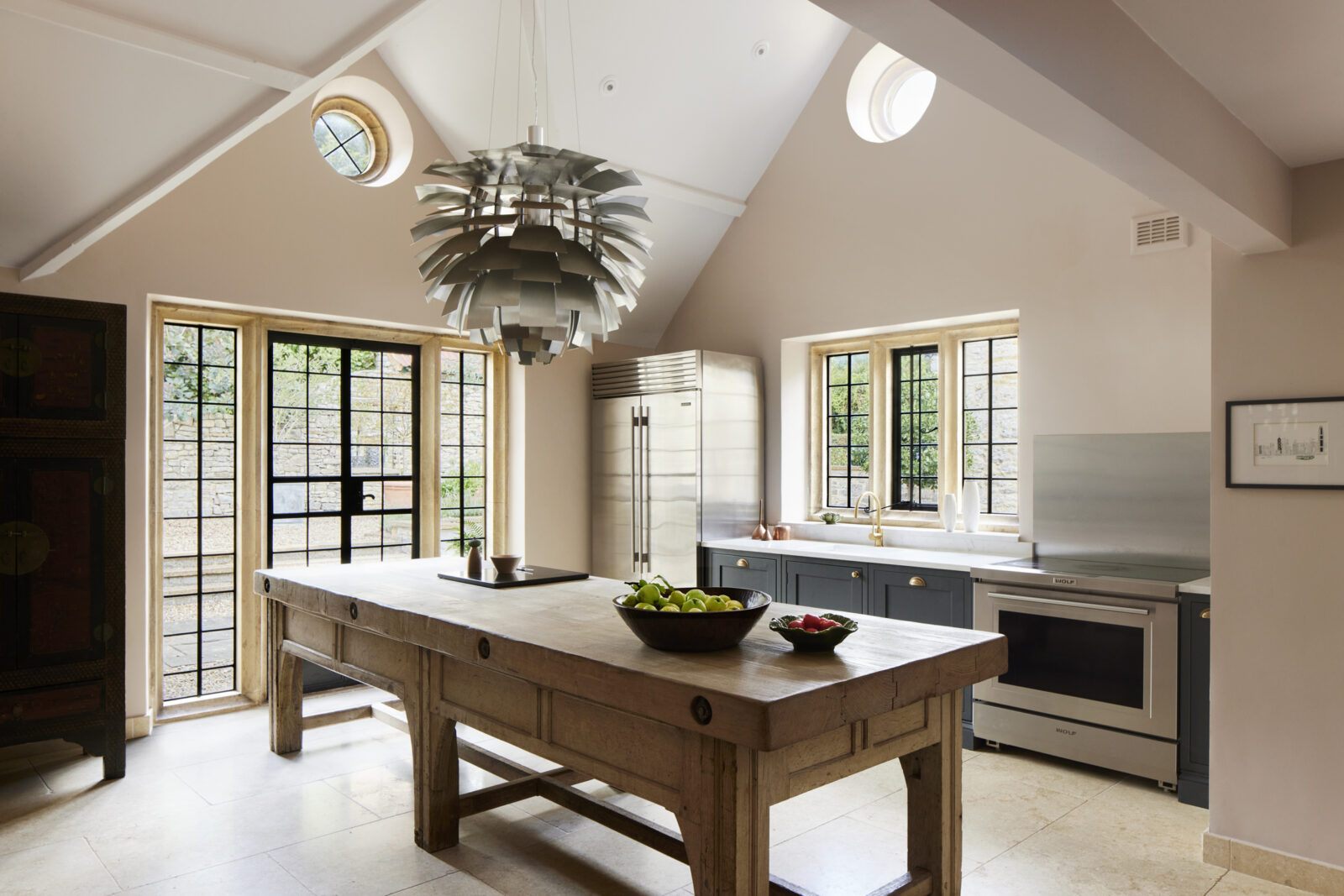
Planning a heated stone floor? Order samples, and ask us about thickness — for UFH we generally point people at the standard-thickness tiles rather than heavy flagstones, and we are happy to sanity-check your spec: 01903 889888.