It is the question we answer most at the yard: real stone, or the porcelain that looks like it? Both are excellent floors — the right answer depends on the room, the household and the look you are after.
The case for limestone
Natural limestone is the real thing — every tile unique, with depth and variation no factory reproduces perfectly. It ages gracefully: a Dijon or Egyptian floor wears in rather than wearing out, and small marks disappear into the stone's character. It is comfortable underfoot, superb over underfloor heating, and repairable — a damaged tile can be honed or replaced invisibly. The trade-off: it needs sealing on installation and a re-seal every couple of years, and it prefers pH-neutral cleaners.
The case for porcelain
Porcelain is effectively maintenance-free — no sealing, any cleaner, extremely stain-resistant. Modern stone-effect porcelain is genuinely convincing at normal viewing distance, and for bathrooms, utility rooms and rental properties its practicality is hard to argue with. Outdoors, 20mm porcelain paving shrugs off moss and needs no more than a hose-down. The trade-off: repetition (patterns recur across tiles), a cooler feel, and chips show a different-coloured body beneath the glaze.
At a glance
| Limestone | Porcelain | |
|---|---|---|
| Look | Unique, natural variation; ages gracefully | Consistent; convincing stone-effect repeats |
| Feel underfoot | Warmer, softer | Cooler, harder |
| Maintenance | Seal on install, re-seal every 1–2 years; pH-neutral cleaner | None — any cleaner |
| Durability | Very high; wears in, repairable | Very high; chips show body colour |
| Underfloor heating | Excellent | Excellent |
| Outdoors | Yes — thicker paving formats | Yes — 20mm, zero maintenance |
| Typical price | £30–50/m² | £18–67/m² |
| Best for | Kitchens, hallways, living space — where the floor is the room | Bathrooms, utility, rentals, low-maintenance gardens |
Our honest rule of thumb
Kitchens, hallways and living spaces where the floor is the room: limestone earns its keep and adds real value. Bathrooms, utility rooms, high-traffic commercial floors and low-maintenance gardens: porcelain is the sensible pick. Plenty of our customers use both — stone through the heart of the house, porcelain where practicality rules.
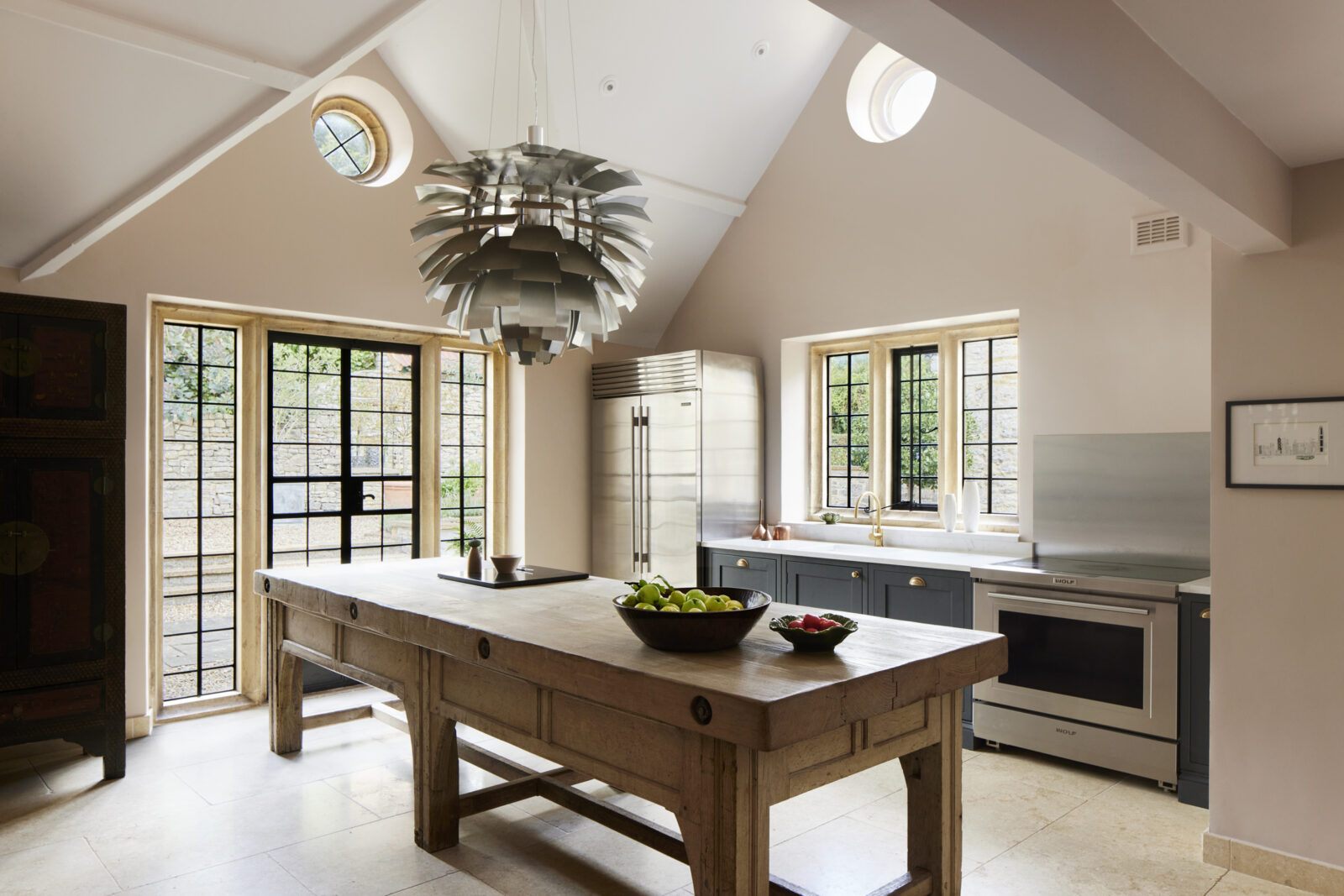
Still torn? Order free samples of both and live with them for a week — kick them, stand mugs on them, see them at breakfast and at dusk. The floor usually chooses itself.