The short answer: seal limestone with an impregnating (penetrating) sealer after installation, once the floor is completely clean and dry — and again before grouting if your installer recommends it. Skip it, and the first glass of red wine writes itself into the floor.
 A sealed Egyptian limestone floor shrugging off daily kitchen life.
Why limestone must be sealed
Limestone is naturally porous. Unsealed, it drinks in oil, wine, coffee and grout residue before you can wipe them up. An impregnating sealer soaks into the stone and lines its pores so spills sit on the surface long enough to be cleaned — without changing the look of the stone (choose a colour-enhancing sealer only if you want the “wet look”).
How to do it right
- Lay, then clean thoroughly. Remove every trace of adhesive and grout haze — sealing traps whatever is underneath forever.
- Let it dry completely. Moisture blocks absorption; a rushed seal is a patchy seal. Allow at least 24–48 hours after washing.
- Apply an impregnating sealer (we stock Lithofin, LTP and Fila) evenly with an applicator or cloth, working in sections.
- Wipe off the excess before it dries — residue left on the surface dries to a smear.
- Second coat per the manufacturer’s instructions, then keep the floor dry and untrafficked while it cures.
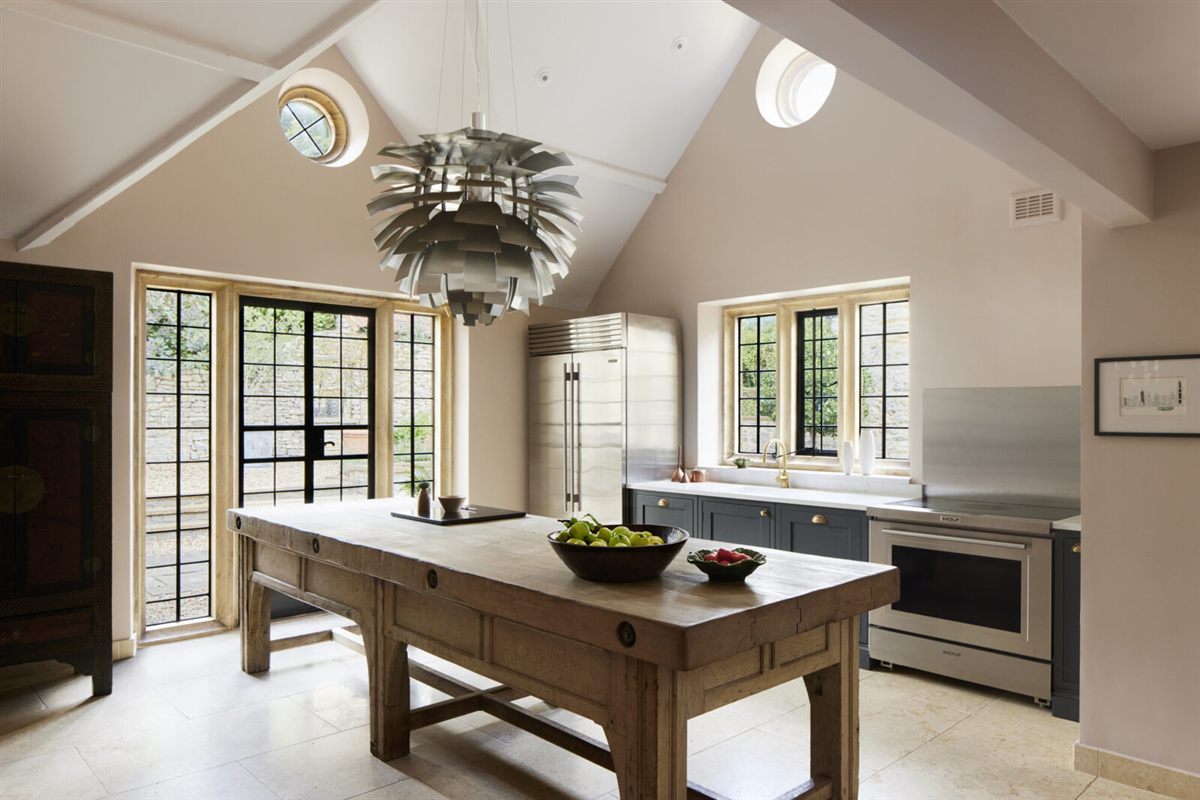 Tumbled limestone after sealing — the finish stays natural, the pores stay closed.
The mistakes we see
- Sealing over grout haze (permanent cloudy patches).
- Sealing damp stone (blotchy, poor protection).
- Using a topical “plastic coat” sealer indoors — it peels and yellows; impregnators do not.
- Cleaning with acidic products afterwards — vinegar and limescale removers etch limestone. Use a pH-neutral stone cleaner.
How often should I re-seal?
Drip water onto the floor: if it darkens the stone within a few minutes, it is time. Kitchens typically want re-sealing every 2–3 years, low-traffic rooms far less often.
Not sure which sealer suits your stone? Browse our sealers or call 01903 889888 with your stone’s name — we will tell you exactly what we would use.